Big Panda — Aged Ripe Pu-erh Tea, 1988
- , и мы узнаем стоимость доставки
Вес товара
200 гр.
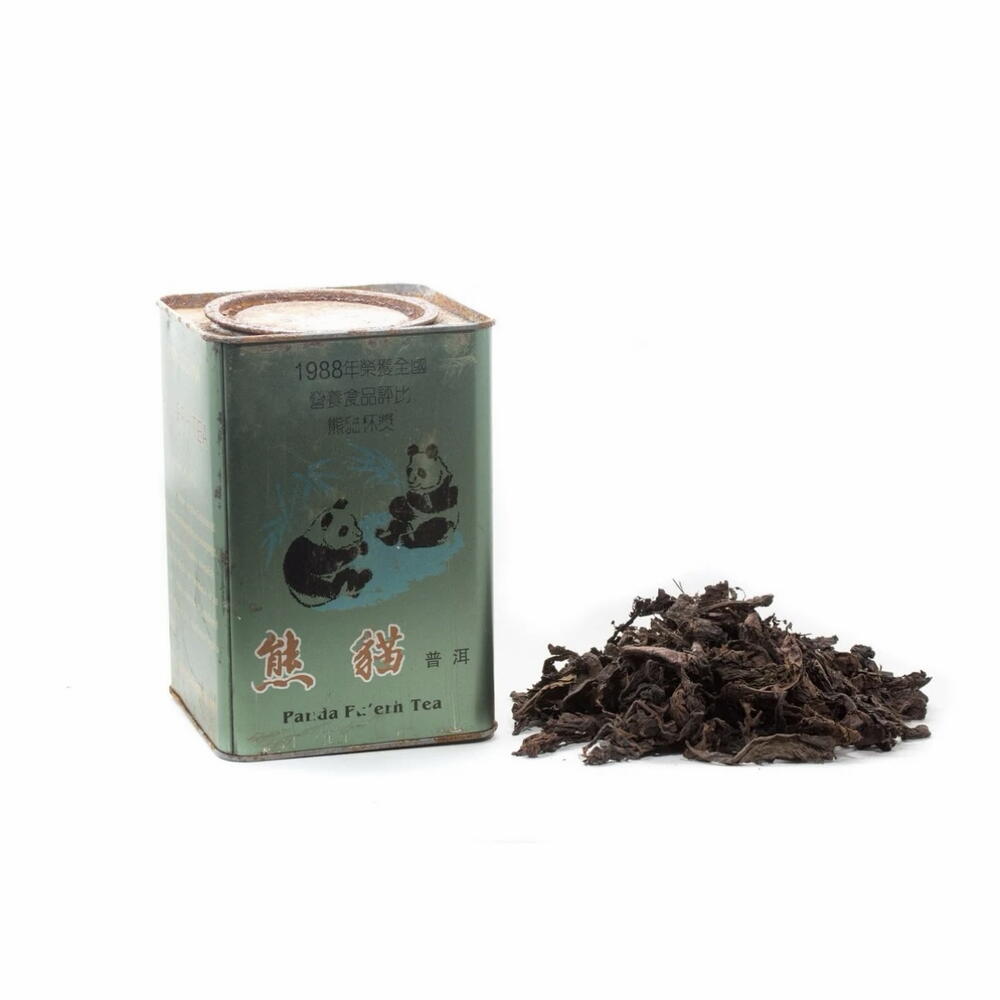
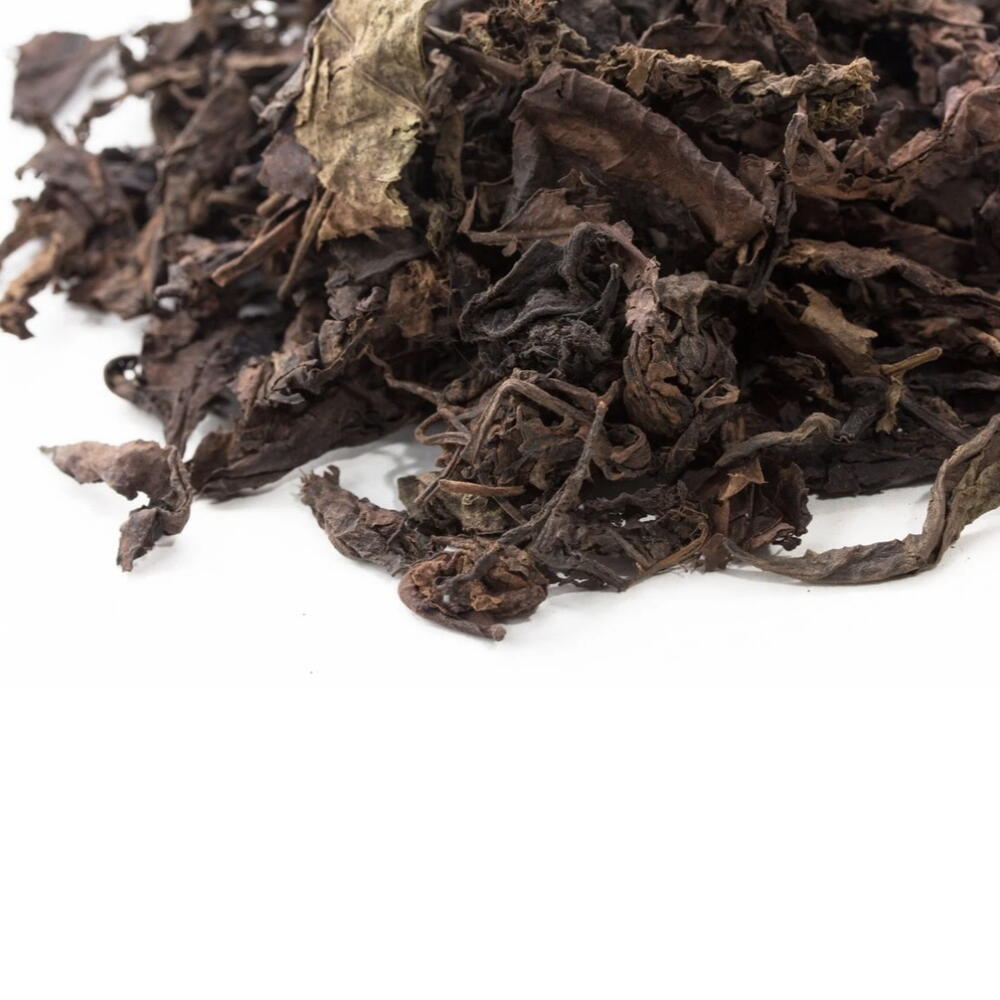
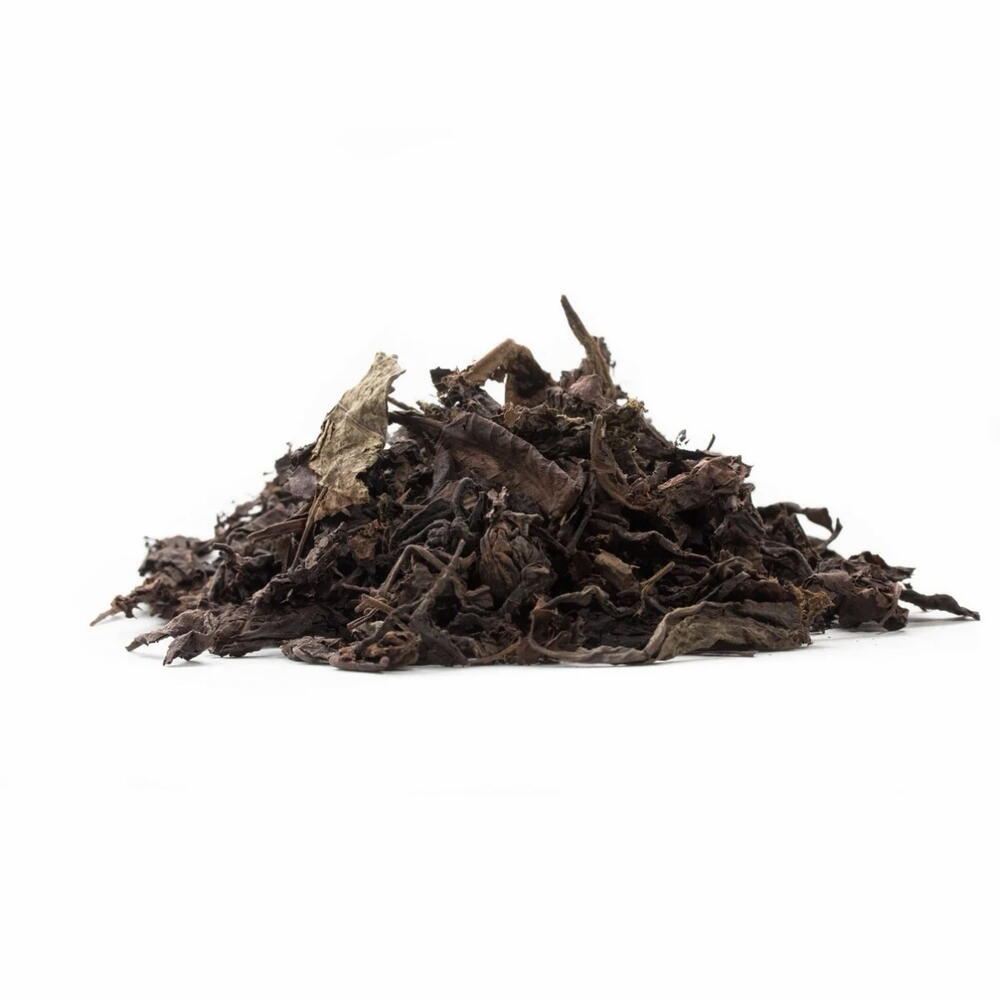
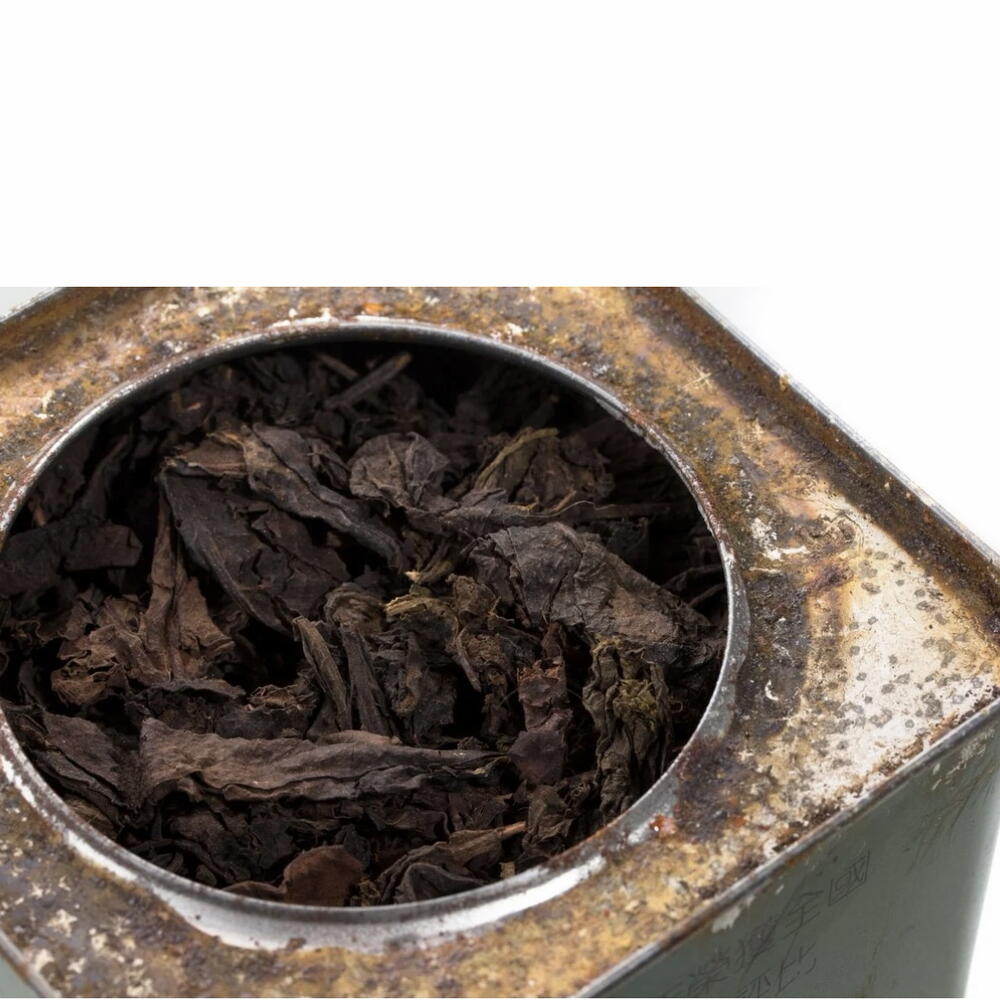
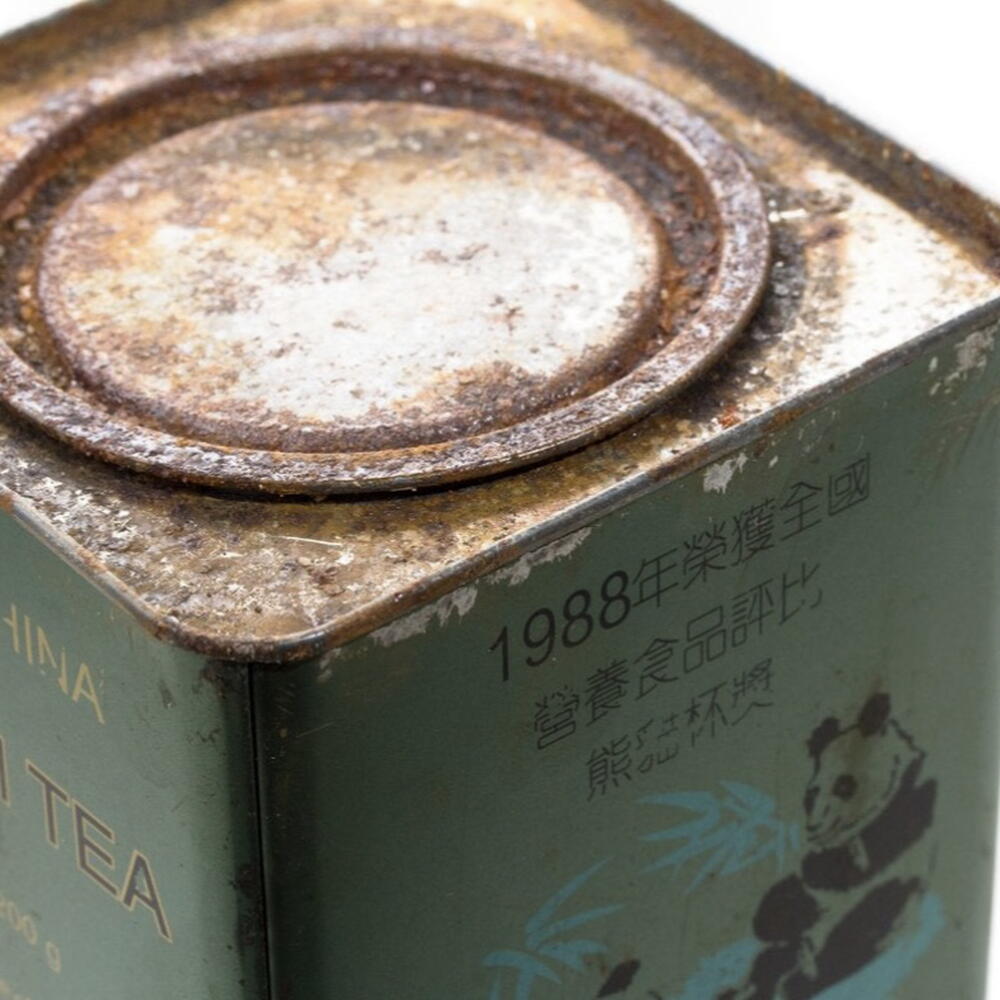
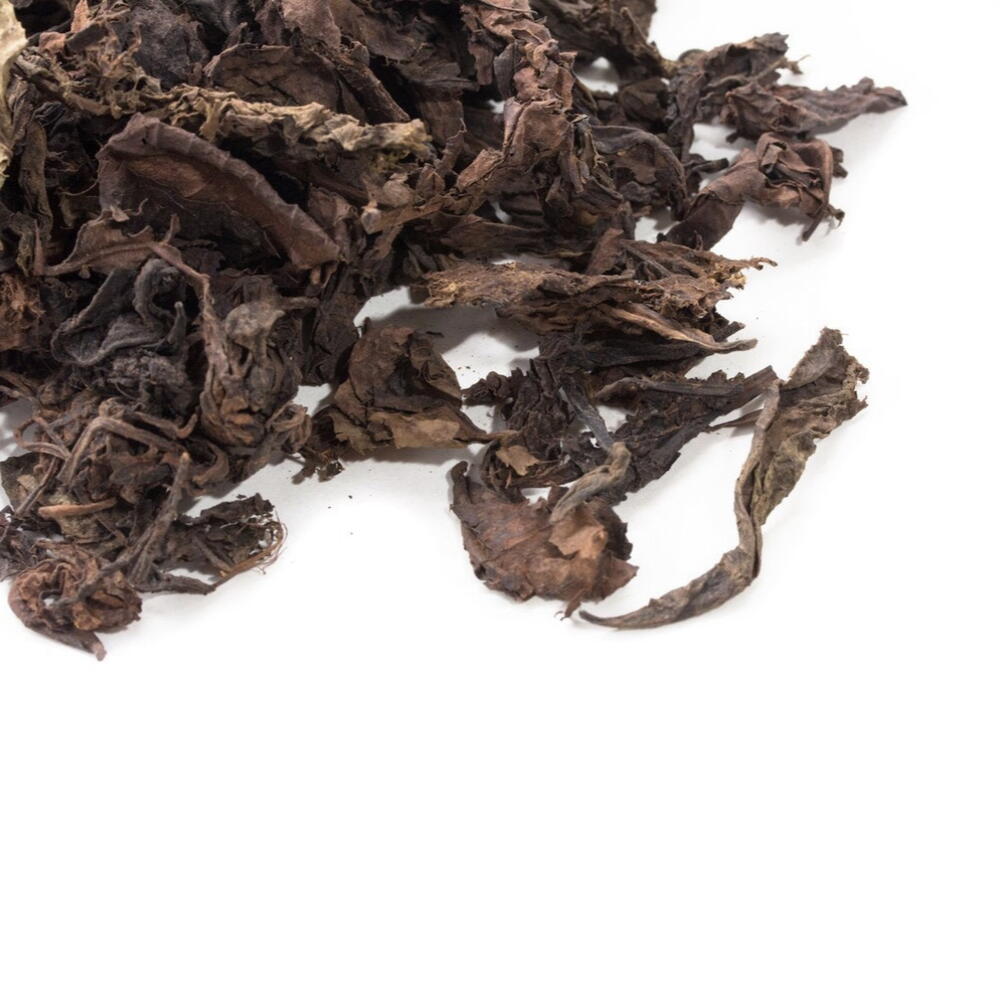
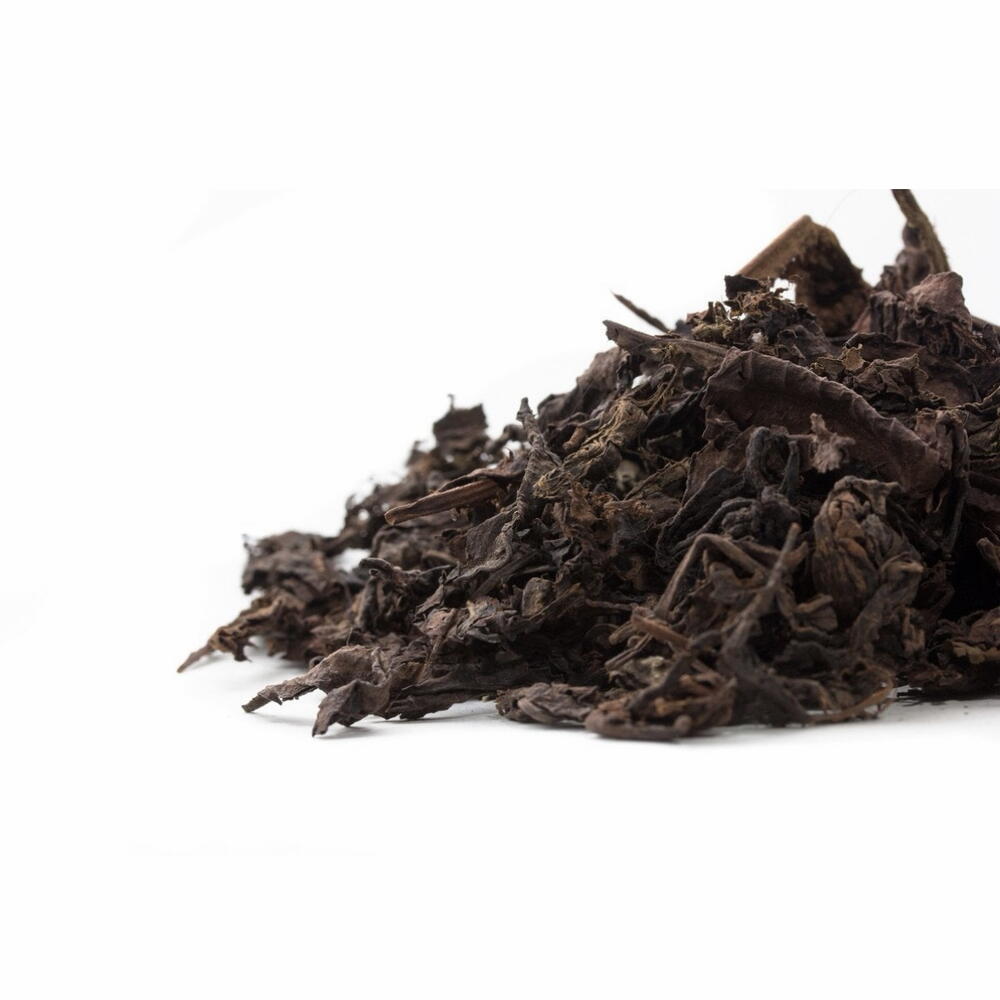
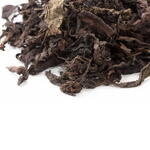
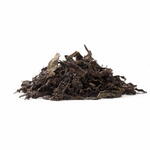
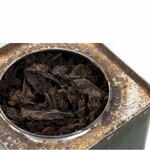
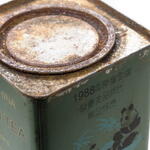
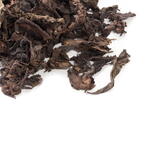
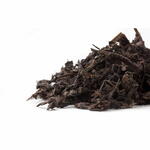
An Extraordinary Aged Ripe Pu-erh from 1988 Big Panda 1988 is one of the oldest and most unconventional Aged Ripe Pu-erh teas in our collection. Produced in 1988 and subsequently matured for decades under traditional humid storage conditions, this loose-leaf Pu-erh has developed a remarkably distinctive character that could only emerge through time. Unlike conventional modern Shu Pu-erh, this tea was produced using an unusual processing method that largely excluded the typical rolling and kneading stages. This fundamentally influenced the way its flavor and aroma developed during ageing. Decades of humid storage added another dimension, creating a mature profile of aged wood, balsamic notes, camphor, forest floor, resin, roots, and moss. This is not an ordinary everyday Pu-erh. It is a tea for slow, attentive sessions and for those interested in discovering how decades of ageing and distinctive storage conditions can transform Ripe Pu-erh. Appearance and tasting notes The tea consists of large, loosely structured leaves with an appearance noticeably different from contemporary Ripe Pu-erh. The texture reflects its considerable age, while the dry aroma immediately reveals its mature character: aged wood, balsamic nuances, damp forest, resin, warm spices, subtle camphor, tree resins, and moss. Once brewed, the aromatic profile becomes soft, balanced, and naturally sweet. Warm spicy and woody notes form the foundation, gradually revealing nuances of nuts, damp autumn forest, camphor, moss, wood resin, and dried roots. The fragrance is powerful, deep, humid, woody, and balsamic — unmistakably shaped by decades of ageing and humid storage. The liquor itself is surprisingly soft and delicate compared with the intensity of its aroma. The flavor is distinctive, expressive, and noticeably sweet, with a pronounced Chen Xiang (陳香) — the characteristic mature fragrance associated with properly aged tea. The finish is silky, subtle, and exceptionally long, allowing the tea’s woody, resinous, and balsamic character to linger quietly on the palate. Character and Experience Big Panda 1988 is an unusual aged Shu Pu-erh with a personality entirely its own. Its combination of unconventional processing, decades of maturation, and humid storage creates a sensory profile significantly different from younger and more familiar examples of Ripe Pu-erh. This is a tea that can surprise even experienced Pu-erh drinkers. Rather than being simply strong or intense, its appeal lies in its maturity, depth, texture, and the gradual development of aged aromas throughout the tea session. It is particularly suited to a slow weekend morning tea session, when there is enough time to observe how the tea changes from infusion to infusion. Big Panda pleasantly warms the body and creates a feeling of centered attention, lightness, clarity, and inner harmony — an aged tea made for unhurried exploration. How to brew Gongfu Style • Porous clay teapot suitable for Shu Pu-erh or thick-walled porcelain teaware • Water temperature: 95–98°C (203–208°F) • Tea-to-water ratio: 4–5 g per 100 ml • A quick rinse before the first infusion is recommended for this aged tea • Begin with short infusions of approximately 5–15 seconds • Gradually increase each subsequent infusion by approximately 5–10 seconds • Enjoy approximately 6–8 infusions, observing how its mature woody and balsamic character develops. Western Style • Porcelain or glass teapot • Water temperature: 95°C (203°F) • Tea-to-water ratio: 7–9 g per 1 litre • Warm the teapot thoroughly with hot water before adding the tea • Pour in water at the recommended temperature and close the lid • Steep for approximately 4–5 minutes before serving. Origin • Tea: Big Panda • Type: Aged Ripe Pu-erh Tea (Shu Pu-erh) • Year: 1988 • Age: Over three decades • Form: Loose Leaf • Storage: Traditional Humid Storage • Leaf: Large, loosely structured aged leaves • Profile: Aged Wood • Camphor • Moss • Resin • Nuts • Roots • Warm Spices • Aged Aroma: Chen Xiang (陳香) • Character: Mature • Sweet • Woody • Balsamic • Silky • Complex • Processing: Unconventional processing followed by decades of ageing
An Extraordinary Aged Ripe Pu-erh from 1988 Big Panda 1988 is one of the oldest and most unconventional Aged Ripe Pu-erh teas in our collection. Produced in 1988 and subsequently matured for decades under traditional humid storage conditions, this loose-leaf Pu-erh has developed a remarkably distinctive character that could only emerge through time. Unlike conventional modern Shu Pu-erh, this tea was produced using an unusual processing method that largely excluded the typical rolling and kneading stages. This fundamentally influenced the way its flavor and aroma developed during ageing. Decades of humid storage added another dimension, creating a mature profile of aged wood, balsamic notes, camphor, forest floor, resin, roots, and moss. This is not an ordinary everyday Pu-erh. It is a tea for slow, attentive sessions and for those interested in discovering how decades of ageing and distinctive storage conditions can transform Ripe Pu-erh. Appearance and tasting notes The tea consists of large, loosely structured leaves with an appearance noticeably different from contemporary Ripe Pu-erh. The texture reflects its considerable age, while the dry aroma immediately reveals its mature character: aged wood, balsamic nuances, damp forest, resin, warm spices, subtle camphor, tree resins, and moss. Once brewed, the aromatic profile becomes soft, balanced, and naturally sweet. Warm spicy and woody notes form the foundation, gradually revealing nuances of nuts, damp autumn forest, camphor, moss, wood resin, and dried roots. The fragrance is powerful, deep, humid, woody, and balsamic — unmistakably shaped by decades of ageing and humid storage. The liquor itself is surprisingly soft and delicate compared with the intensity of its aroma. The flavor is distinctive, expressive, and noticeably sweet, with a pronounced Chen Xiang (陳香) — the characteristic mature fragrance associated with properly aged tea. The finish is silky, subtle, and exceptionally long, allowing the tea’s woody, resinous, and balsamic character to linger quietly on the palate. Character and Experience Big Panda 1988 is an unusual aged Shu Pu-erh with a personality entirely its own. Its combination of unconventional processing, decades of maturation, and humid storage creates a sensory profile significantly different from younger and more familiar examples of Ripe Pu-erh. This is a tea that can surprise even experienced Pu-erh drinkers. Rather than being simply strong or intense, its appeal lies in its maturity, depth, texture, and the gradual development of aged aromas throughout the tea session. It is particularly suited to a slow weekend morning tea session, when there is enough time to observe how the tea changes from infusion to infusion. Big Panda pleasantly warms the body and creates a feeling of centered attention, lightness, clarity, and inner harmony — an aged tea made for unhurried exploration. How to brew Gongfu Style • Porous clay teapot suitable for Shu Pu-erh or thick-walled porcelain teaware • Water temperature: 95–98°C (203–208°F) • Tea-to-water ratio: 4–5 g per 100 ml • A quick rinse before the first infusion is recommended for this aged tea • Begin with short infusions of approximately 5–15 seconds • Gradually increase each subsequent infusion by approximately 5–10 seconds • Enjoy approximately 6–8 infusions, observing how its mature woody and balsamic character develops. Western Style • Porcelain or glass teapot • Water temperature: 95°C (203°F) • Tea-to-water ratio: 7–9 g per 1 litre • Warm the teapot thoroughly with hot water before adding the tea • Pour in water at the recommended temperature and close the lid • Steep for approximately 4–5 minutes before serving. Origin • Tea: Big Panda • Type: Aged Ripe Pu-erh Tea (Shu Pu-erh) • Year: 1988 • Age: Over three decades • Form: Loose Leaf • Storage: Traditional Humid Storage • Leaf: Large, loosely structured aged leaves • Profile: Aged Wood • Camphor • Moss • Resin • Nuts • Roots • Warm Spices • Aged Aroma: Chen Xiang (陳香) • Character: Mature • Sweet • Woody • Balsamic • Silky • Complex • Processing: Unconventional processing followed by decades of ageing
Пожаловаться на товар
Другие товары этого магазина