Croton
- and we'll find out the delivery cost
- You will get 3 bonuses
Watering frequency
5 times per month
Size
- Width - 40 cm
- Height - 45 cm
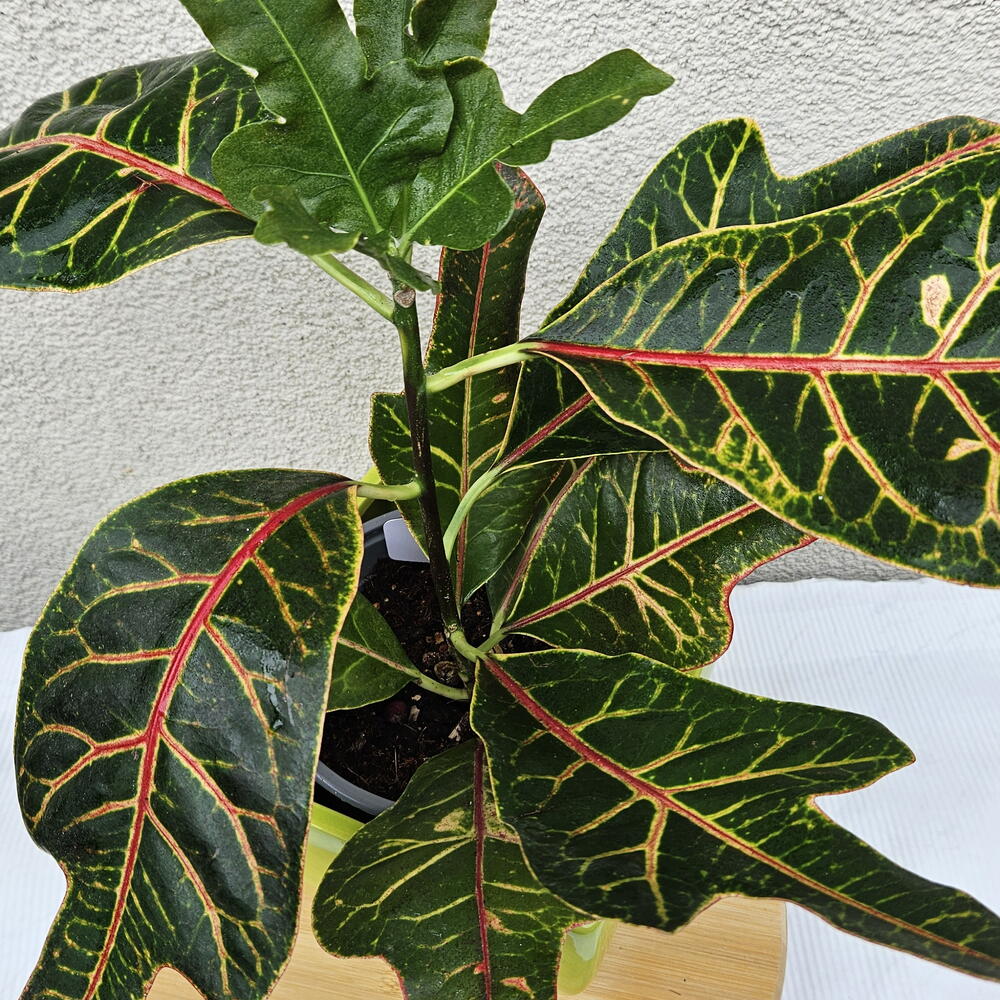
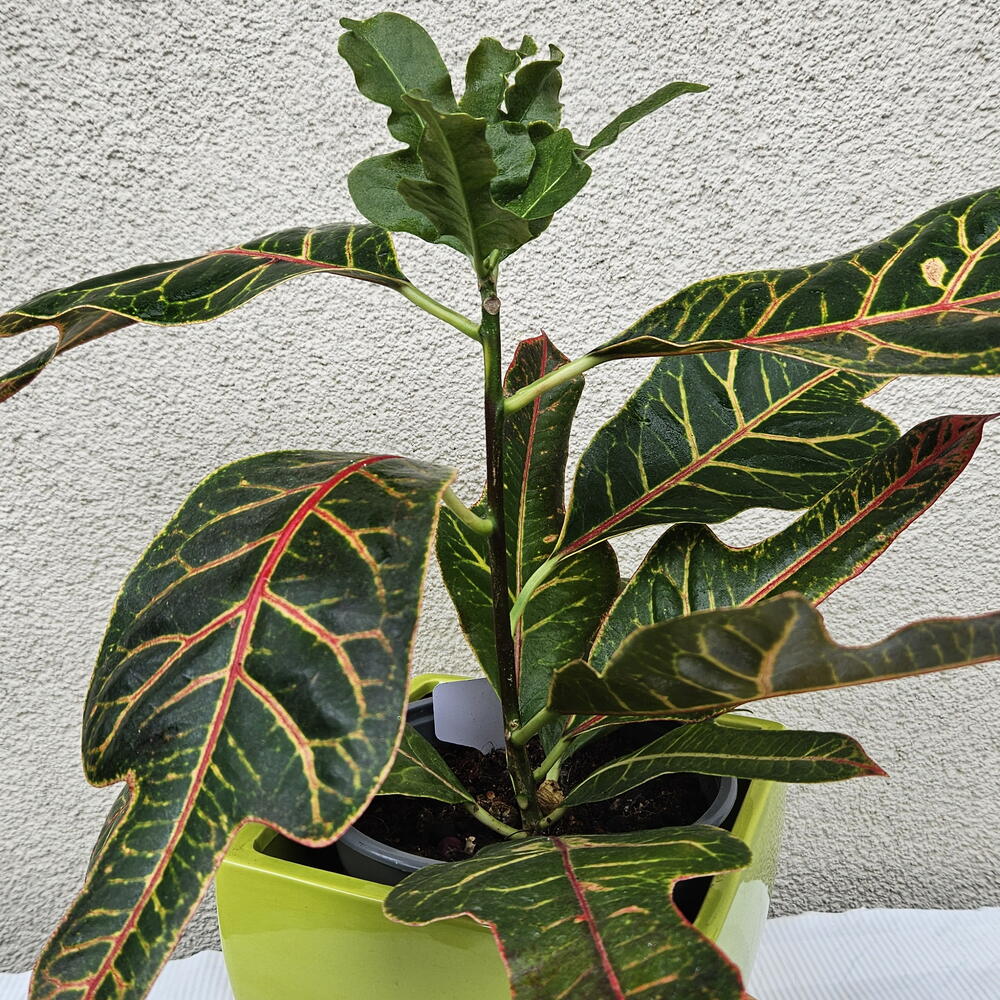
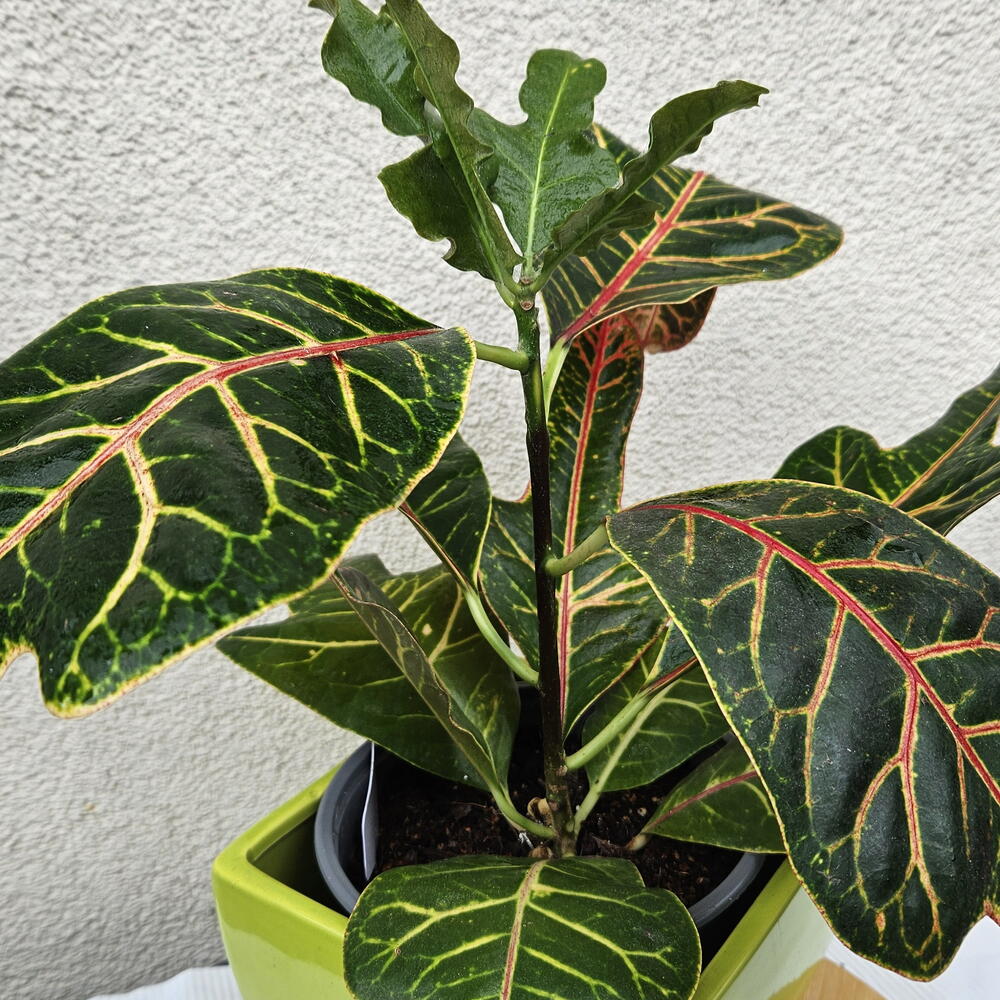
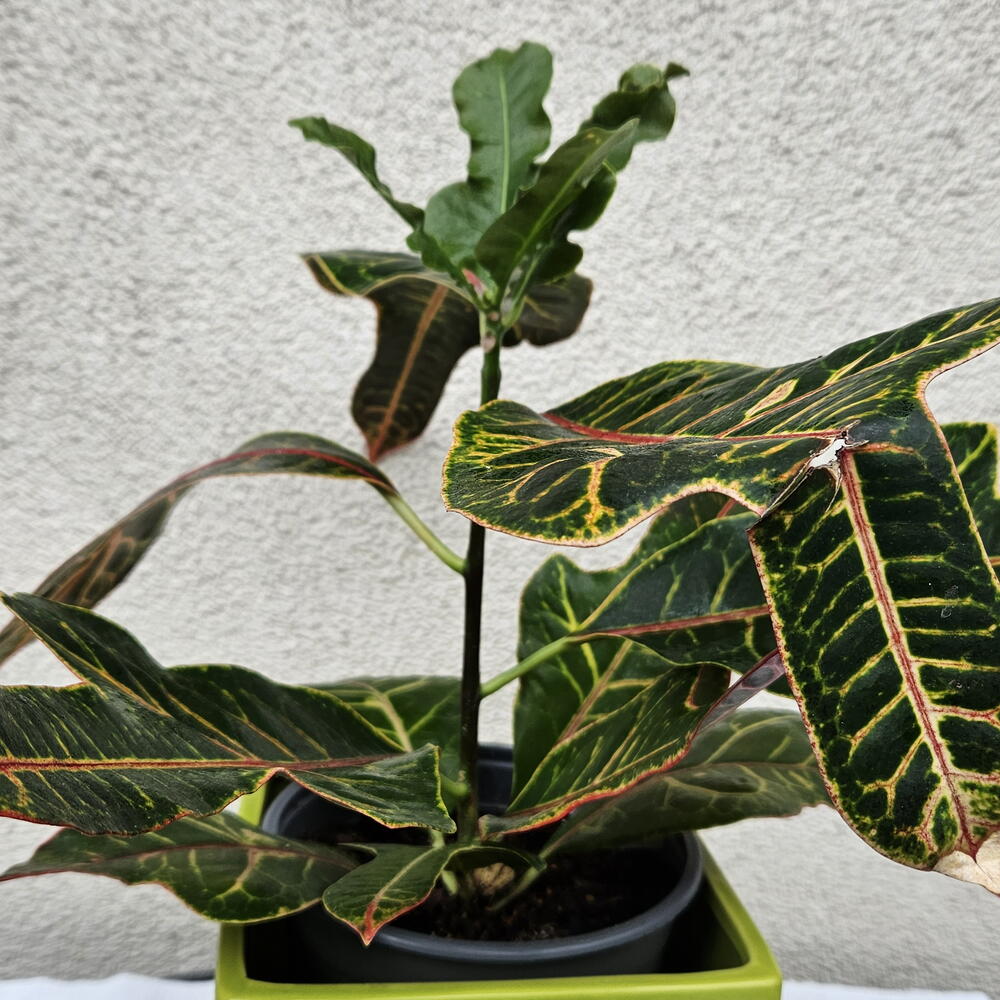
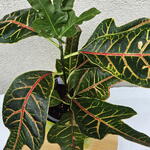
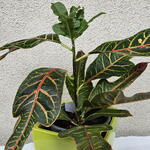
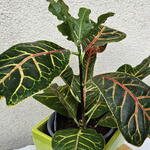
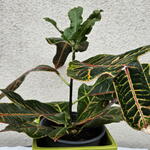
1. Light: Croton needs a lot of bright, diffused light to maintain intense leaf colors. In the shade, the leaves turn green and lose their colorful discolorations. However, avoid direct sunlight at noon. 2. Temperature: It grows best at temperatures of 20–25°C. It does not like drafts or sudden changes in temperature. In winter, the temperature should not drop below 16°C. 3. Watering: Water regularly, keeping the soil slightly moist, but not wet. Excess water can cause root rot. Reduce watering in winter. 4. Air humidity: Croton likes high humidity. It is worth spraying the leaves with soft water or placing a humidifier. In dry air, the leaves may brown at the edges. 5. Soil: The best will be fertile, permeable soil, e.g., a mixture of universal soil with perlite or sand. 6. Fertilizing: From spring to autumn, fertilize every 2 weeks with fertilizer for ornamental leaf plants. Reduce or suspend fertilization in winter. 7. Repotting: Repot young plants every year in spring, older ones every 2–3 years when the roots outgrow the pot. 8. Pruning: Pruning stimulates bushiness. You can remove lower leaves or shorten shoots to achieve a more compact form. 9. Toxicity: Croton is toxic - its sap can irritate the skin and is dangerous if ingested. Keep away from children and animals.
Care Guide
Croton needs a lot of bright, diffused light to maintain the intense colors of its leaves. In the shade, the leaves turn green and lose their colorful discolorations. However, avoid direct sunlight at noon.
1. Light: Croton needs a lot of bright, diffused light to maintain intense leaf colors. In the shade, the leaves turn green and lose their colorful discolorations. However, avoid direct sunlight at noon. 2. Temperature: It grows best at temperatures of 20–25°C. It does not like drafts or sudden changes in temperature. In winter, the temperature should not drop below 16°C. 3. Watering: Water regularly, keeping the soil slightly moist, but not wet. Excess water can cause root rot. Reduce watering in winter. 4. Air humidity: Croton likes high humidity. It is worth spraying the leaves with soft water or placing a humidifier. In dry air, the leaves may brown at the edges. 5. Soil: The best will be fertile, permeable soil, e.g., a mixture of universal soil with perlite or sand. 6. Fertilizing: From spring to autumn, fertilize every 2 weeks with fertilizer for ornamental leaf plants. Reduce or suspend fertilization in winter. 7. Repotting: Repot young plants every year in spring, older ones every 2–3 years when the roots outgrow the pot. 8. Pruning: Pruning stimulates bushiness. You can remove lower leaves or shorten shoots to achieve a more compact form. 9. Toxicity: Croton is toxic - its sap can irritate the skin and is dangerous if ingested. Keep away from children and animals.
Care Guide
Croton needs a lot of bright, diffused light to maintain the intense colors of its leaves. In the shade, the leaves turn green and lose their colorful discolorations. However, avoid direct sunlight at noon.
Part of the text on this page was translated automatically
Ratings and reviews
Mateusz
March 2026
Leonardo
February 2026
Sender
February 2026
Sender
January 2026
Sender
November 2025
Report Item
Other items of this shop